Making the right decision often requires more than simply looking at the price of an investment or project. Whether you are a student studying business, a manager evaluating a new project, or a business owner considering an investment, you need to understand whether the expected benefits are worth the costs.
This is where cost-benefit analysis (CBA) becomes useful.
Cost-benefit analysis is a systematic method of comparing the expected costs of a decision with its expected benefits. It helps individuals and organizations evaluate different options, understand potential financial outcomes, and make more informed decisions.
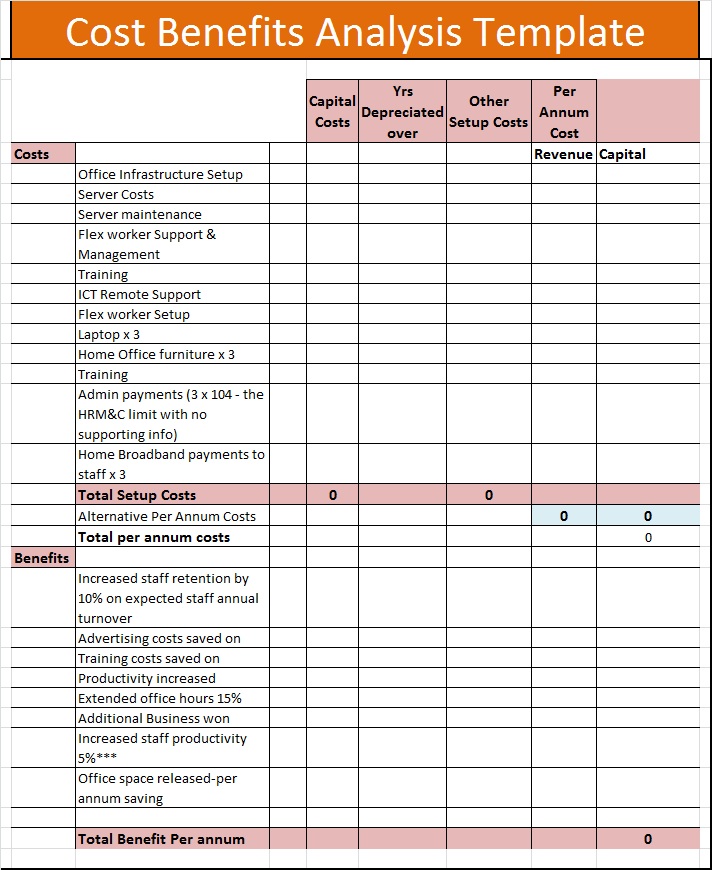
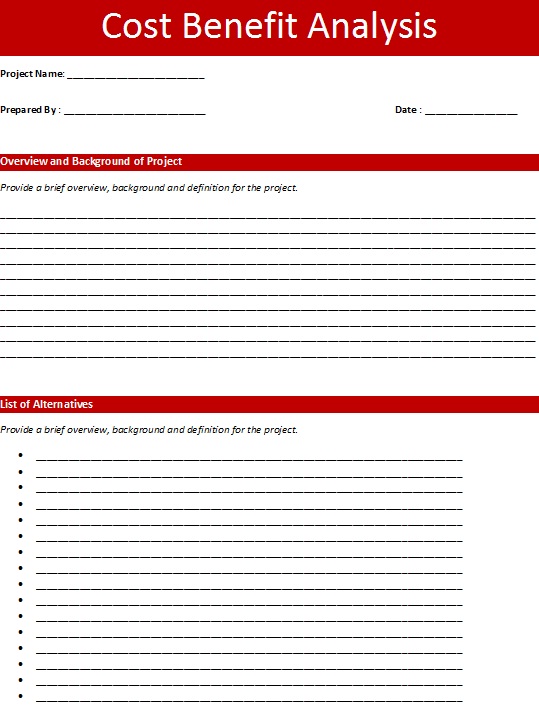
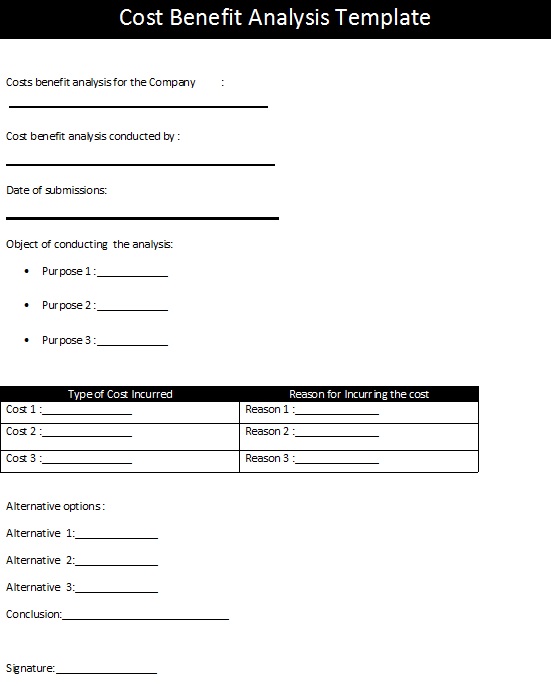
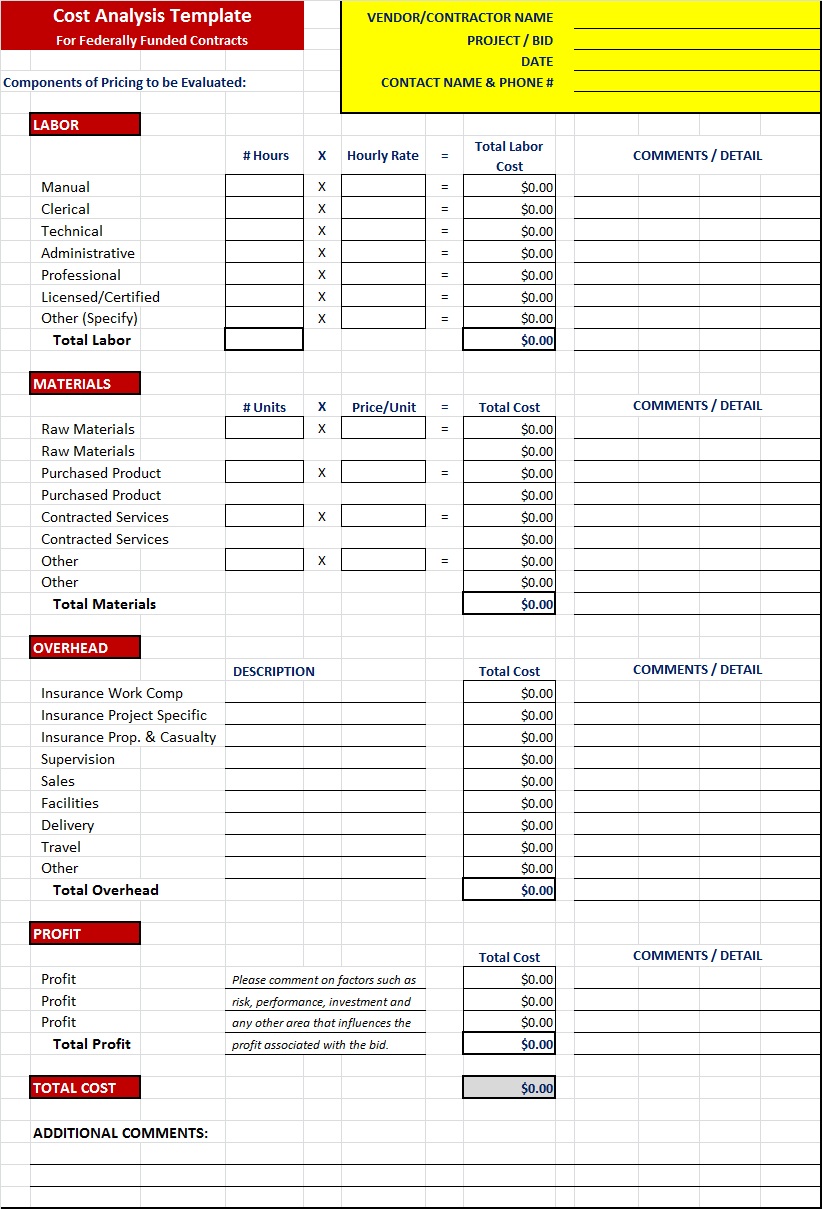
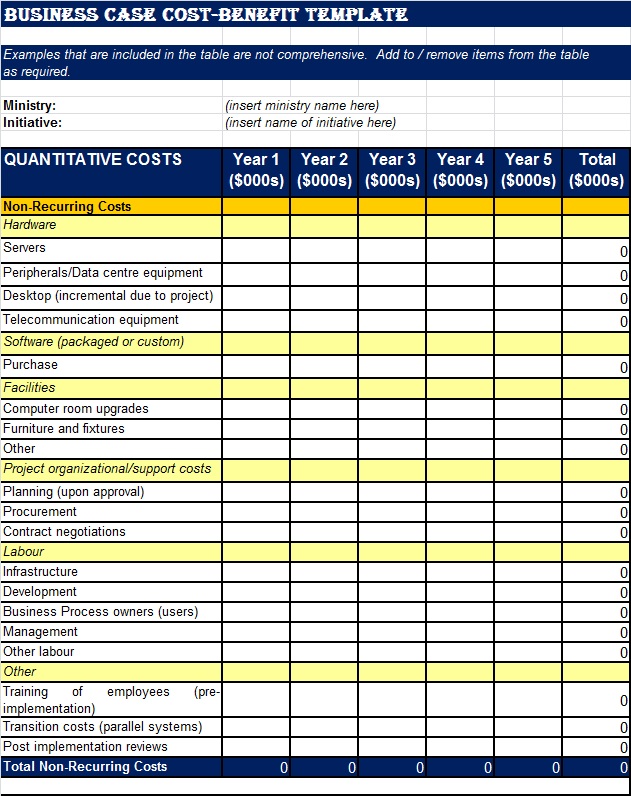
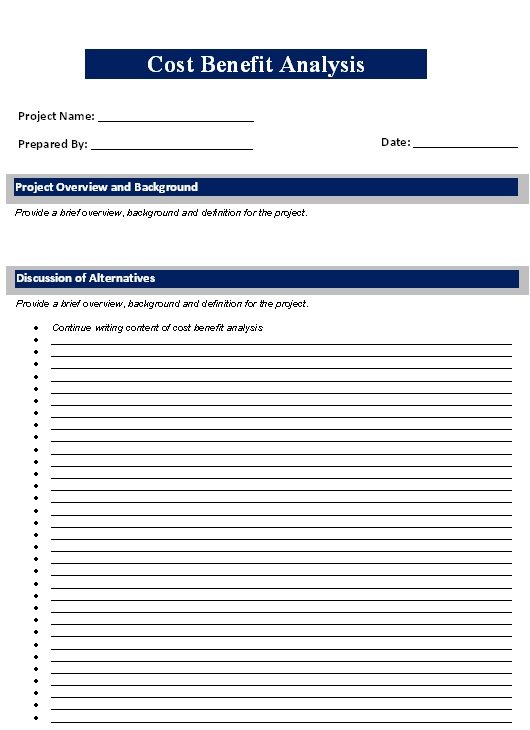
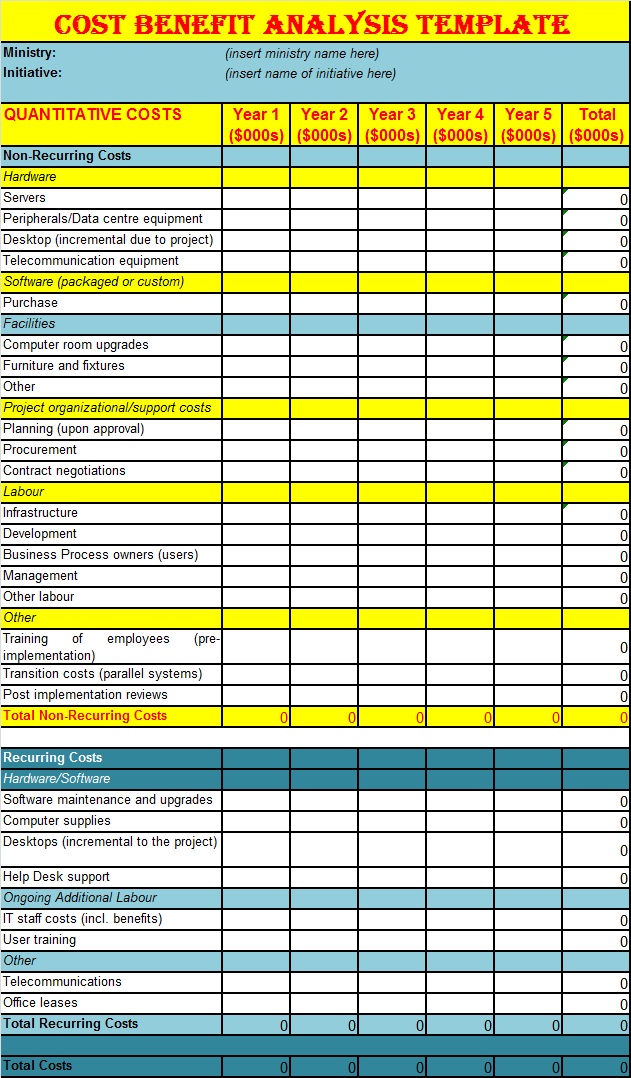
Cost Benefit Analysis Report Template:

1. What is cost-benefit analysis?
Cost-benefit analysis (CBA) is a systematic method of comparing the expected costs of a project, investment, policy, or decision with its expected benefits. Where possible, costs and benefits are expressed in monetary terms to make comparison easier.
2. Why is cost-benefit analysis important?
Cost-benefit analysis helps individuals and organizations understand whether the expected benefits of an option justify its costs. It can support investment decisions, project planning, resource allocation, and evaluation of alternative options.
3. What are the main steps in cost-benefit analysis?
The main steps typically include defining the project or decision, identifying alternatives, estimating costs and benefits, assigning monetary values where possible, discounting future values, calculating relevant measures, assessing uncertainty, and interpreting the results.
4. What is an example of cost-benefit analysis?
A company considering new equipment could compare the purchase and installation costs with expected benefits such as increased productivity, additional revenue, reduced operating expenses, and time savings.
5. What is the benefit-cost ratio?
The benefit-cost ratio (BCR) compares the present value of benefits with the present value of costs. It can be expressed as:
BCR = Present Value of Benefits ÷ Present Value of Costs
A BCR above 1 indicates that the monetized benefits exceed the monetized costs under the assumptions used in the analysis.
Common Steps in Conducting a CBA:
This would be the main section:
-
Define the project or decision.
-
Identify alternatives.
-
Identify all relevant costs and benefits.
-
Assign monetary values.
-
Consider the time value of money.
-
Calculate relevant indicators.
-
Conduct sensitivity and risk analysis.
-
Interpret the results.